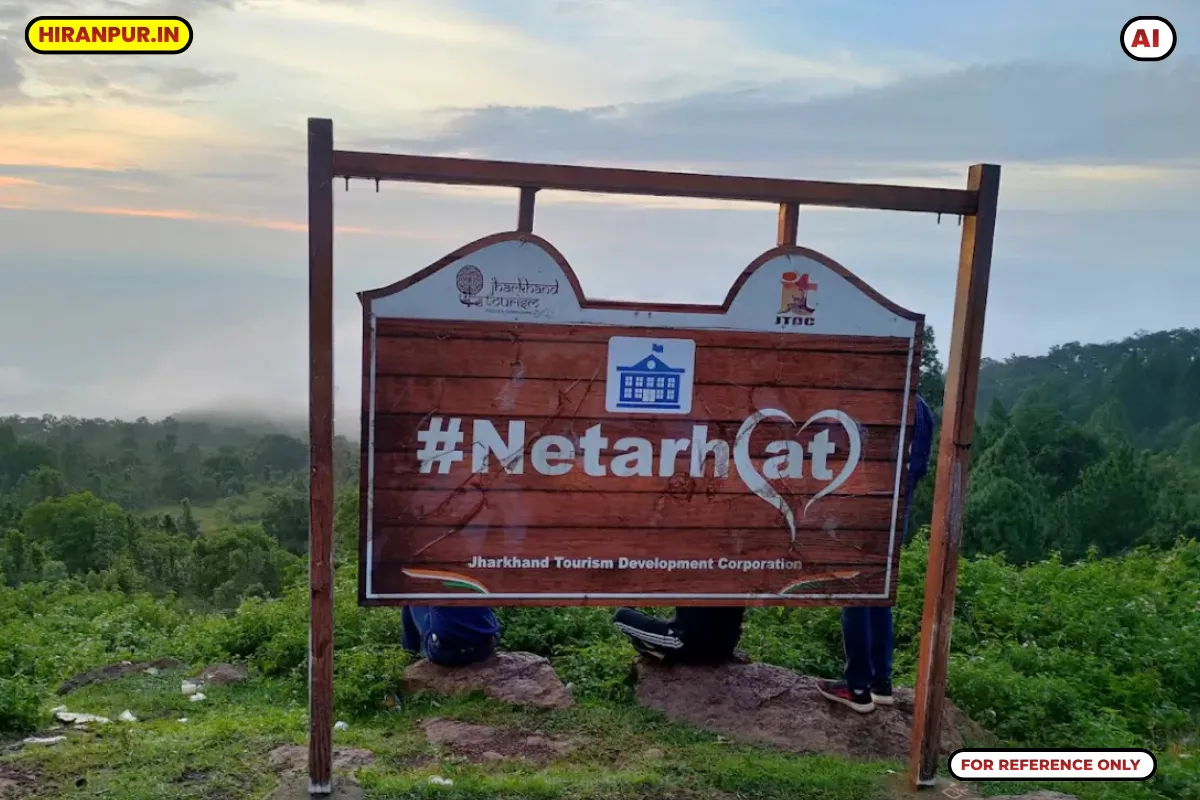




Best Tourist Places in Jharkhand: Most people I meet outside the state treat Jharkhand like a transit zone — somewhere between Kolkata and Varanasi on the map. That honestly frustrates me. I’ve been roaming this state for years, covering its forests, temples, dams, and hill stations. And every single time, I find something new that no travel blog has bothered writing about properly.
Key Notes:-
- Jharkhand is one of India’s most underrated travel destinations — waterfalls, temples, forests, and tribal culture all in one state.
- Deoghar, Netarhat, and Ranchi are the top three anchor points for any Jharkhand trip.
- The best time to visit is October to February — post-monsoon greenery + cool weather = perfect combo.
- Road trips are the best way to explore. Trains exist, but roads connect the hidden gems.
- I personally travel across Jharkhand almost every month — so everything you read here is ground reality, not copy-pasted tourist fluff.

What Most Travel Blogs Get Wrong About Jharkhand
The standard “Jharkhand travel guide” you find online lists the same 5 places, copy-pasted from each other with zero real experience. They’ll mention Hundru Falls and Baidyanath Temple, slap a stock photo on it, and call it a day.
What they miss: the fog-covered roads of Netarhat at 5 AM, the surreal silence of Topchanchi Lake on a winter afternoon, or the absolutely mind-blowing thalis you get at roadside dhabas near Deoghar.
This article is different. I actually go to these places. Some I visited last month. Some I’ve visited a dozen times.
My Personal Experience Roaming Jharkhand Every Month
I’m Ronit Shill, and I live in Jharkhand. Not “visited Jharkhand” — I live here and I travel within the state almost every single month. Sometimes it’s a weekend drive to a waterfall. Sometimes it’s a three-day road trip across districts.
A few months back, I spent a full weekend in Deoghar — and it reminded me why this place keeps pulling people back. The Baba Baidyanath Temple in the morning, the chaotic energy of pilgrims, the smell of incense mixing with street food — it’s an experience that no photo can capture. The food in Deoghar especially — the litti-chokha, the local sweets near the temple — I genuinely overate both days and regretted nothing.
Let me take you through the best 20 places in this incredible state.
Top 20 Tourist Places in Jharkhand (2026)
1. Baba Baidyanath Temple, Deoghar
This is Jharkhand’s most sacred and most visited destination — and for very good reason. One of the 12 Jyotirlingas in India, the Baidyanath Temple complex in Deoghar draws lakhs of devotees every year, especially during Shravan Maas.
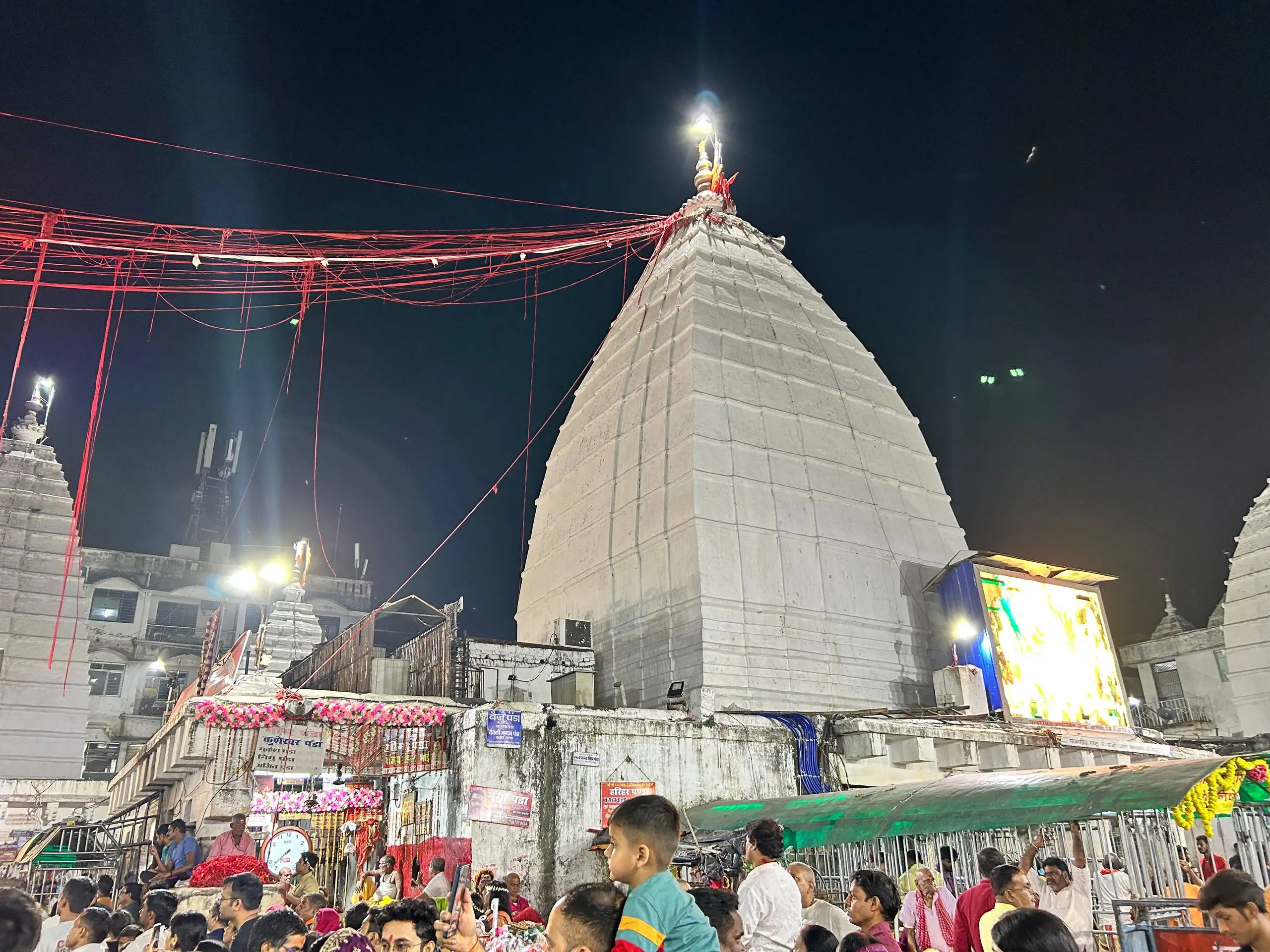
When I was there recently, the energy at 4 AM aarti was something else entirely — even if you’re not religious, you’ll feel it. The temple town around it is buzzing with life 24/7, and the local bazaar selling everything from rudraksha to mishtan is worth spending time in.
- Best time to visit: Shravan (July–August) for the full experience; October–March for calmer visits
- Honest con: The crowds during Shravan are extreme. If you have low crowd tolerance, avoid peak season.
Are you are willingly to visit Deoghar? Check Baba Baidyanath Temple Full Guide.
2. Ranchi Waterfalls — Hundru, Dassam & Jonha
Ranchi is called the “City of Waterfalls” and it actually earns that title. Hundru Falls (98 metres) is the most popular, Dassam Falls is arguably more beautiful, and Jonha Falls (also called Gautamdhara) has a small Buddhist temple nearby that most tourists skip.
I’d say Dassam is the underrated gem of the three — the picnic vibe there on a cold December morning is unbeatable.
- Honest con: Post-monsoon (August–September) crowds at Hundru are chaotic. Parking is a mess.
3. Netarhat — The Queen of Chotanagpur
If you ask any serious Jharkhand traveller which single place defines the state’s natural beauty, nine out of ten will say Netarhat. Perched at about 3,700 feet, this hill station in Latehar district is famous for its sunrise, pine forests, and the jaw-dropping valley views.
I’ve driven up to Netarhat three times and each time the fog rolling in over the hills at dawn makes me feel like I’m in a completely different country. Lodh Falls — Jharkhand’s tallest waterfall at 143 metres — is nearby and worth the trek.
- Honest con: The roads to Netarhat are scenic but rough in patches. Don’t plan this trip with a low-ground-clearance car after heavy rain. By the way, I have personally planned for it in the next Rainy season this year. Excited!
4. Betla National Park (Palamau Tiger Reserve)
One of India’s oldest national parks, Betla National Park is home to tigers, elephants, leopards, and a rich biodiversity that most people don’t associate with Jharkhand. The forest ruins of Palamau Fort sitting inside the reserve add a historical layer that makes this more than just a wildlife safari.
- Best time: November to April
- Honest con: Tiger sightings are rare — don’t go expecting a Ranthambore-style guaranteed sighting. Go for the overall forest experience.
5. Panchghagh Waterfalls
Located near Khunti, Panchghagh is five streams that merge into one waterfall — the name literally means “five ghats.” It’s a relatively lesser-known spot compared to Hundru, which means you get the beauty without the overwhelming crowd.
Perfect for a half-day trip from Ranchi.
6. McCluskieganj — Jharkhand’s Hidden Anglo-Indian Village
This one genuinely surprised me the first time I visited. McCluskieganj was founded in 1933 as a settlement for Anglo-Indians, and it still retains this eerie, beautiful colonial atmosphere — old bungalows with sloping roofs, quiet streets, and an almost cinematic quality of light in the evenings.
It’s been featured in films for a reason. If you appreciate offbeat history and slow travel, this is unmissable.
7. Parasnath Hill (Shikharji)
For Jain pilgrims, Parasnath is the most sacred pilgrimage site in the world. The hill — the highest in Jharkhand at 1,365 metres — hosts 24 Jain temples and requires a full day’s trek to complete the circuit. Even for non-pilgrims, the trek itself through dense forest is a deeply peaceful experience.
- Honest con: The climb is genuinely demanding. Not suitable for those with knee issues or low fitness levels.
8. Hazaribagh Wildlife Sanctuary & Lake
Hazaribagh is a town that serves two purposes equally well — a wildlife sanctuary with good leopard and bison populations, and a beautiful central lake perfect for a relaxed evening. The town itself is cleaner and better-maintained than many Jharkhand towns, making it a good base for exploring the region.
9. Dimna Lake, Jamshedpur
Jamshedpur — Tata’s city — doesn’t get enough credit as a tourist destination. Dimna Lake on the outskirts is one of the most well-maintained recreational spots in Jharkhand. Clean, scenic, with the Dalma Hills as a backdrop — it’s the kind of place where you can genuinely switch off for a day.
10. Dalma Wildlife Sanctuary
Just outside Jamshedpur, Dalma is primarily known for its wild elephant herds. Spotting a herd of 30–40 elephants moving through the forest is a sight that will stay with you for a long time. The sanctuary also offers decent trekking routes.
11. Rajrappa Temple & Waterfall
Rajrappa is where spirituality and natural beauty collide. The Chhinnmastika Temple here — dedicated to the goddess Chhinnmastika — sits at the confluence of the Damodar and Bhairavi rivers, with a waterfall flowing right beside it. It’s an intensely atmospheric spot.
12. Deoghar Town — Beyond the Temple
Most people visit Deoghar only for Baidyanath Temple. That’s a mistake. Deoghar as a town has a lot more — the Trikut Hill with a ropeway, Nandan Pahar amusement park, Satsang Ashram, and the general old-town character of the market area.
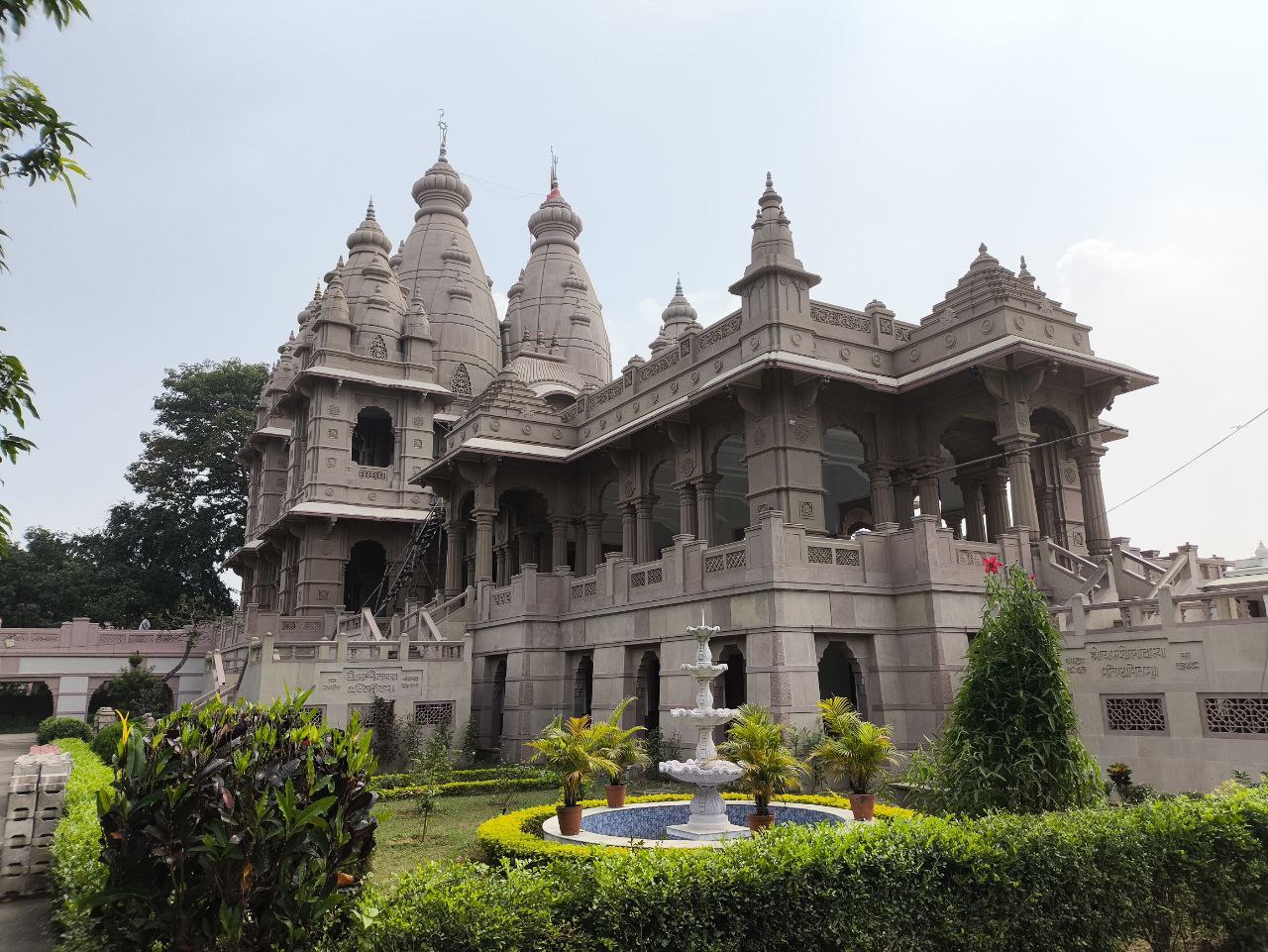
When I visited a few months back, I spent the first morning at the temple, then used the rest of the day exploring the ropeway at Trikut and eating my way through the local food stalls. The litti-chokha and malpua near the temple market — I cannot overstate how good they were.
13. Topchanchi Lake
A quiet reservoir lake surrounded by forest near Dhanbad. What makes Topchanchi special is how calm it is — there’s a forest rest house here and the sense of isolation is absolute. I’ve sat here on a winter afternoon watching the mist come down over the water and genuinely did not want to leave.
14. Maithon Dam & Reservoir
One of the largest dams in the Damodar Valley, Maithon is beautiful in a wide, open, sweeping kind of way. The reservoir is massive, boating is available, and there’s a deer park and bird sanctuary attached. It’s a full-day destination in itself.
15. Lodh Falls (Burhaghuagh) — Jharkhand’s Tallest Waterfall
At 143 metres, Lodh Falls is the tallest waterfall in Jharkhand — and yet, surprisingly few people outside the state have heard of it. The trek to reach it through dense Latehar forest is part of the experience. Go during or just after monsoon for the full powerful form.
16. Chitarpur — Coal Mines & Surreal Landscape
This one is genuinely weird and wonderful. Chitarpur near Bokaro is an open-cast coal mining area where the landscape looks almost post-apocalyptic — deep trenches, heavy machinery, and a dark industrial beauty that photographers absolutely love.
- Honest con: It’s not a conventional tourist spot. You’re visiting an active industrial site, so manage expectations.
17. Palamu Fort Ruins
Inside Betla National Park, the ruins of Palamu Fort — actually two forts, old and new — are among the most historically significant sites in Jharkhand. Built by the Chero dynasty and later occupied by Mughal forces, the crumbling stone structures surrounded by forest feel genuinely cinematic.
18. Seraikela — Jharkhand’s Cultural Heartland
Seraikela-Kharsawan district is the hub of Chhau dance — the famous masked martial dance form that is now a UNESCO-recognised Intangible Cultural Heritage. If you can time your visit to the Chaitra Parva festival (March–April), you’ll witness something truly unforgettable.
19. Massanjore Dam (Canada Dam)
Built with Canadian technical assistance in the 1950s, Massanjore Dam on the Mayurakshi river near Dumka is a stunning piece of engineering surrounded by natural beauty. The backwaters, the hills, and the quiet — it’s a very different Jharkhand from the industrial zones.
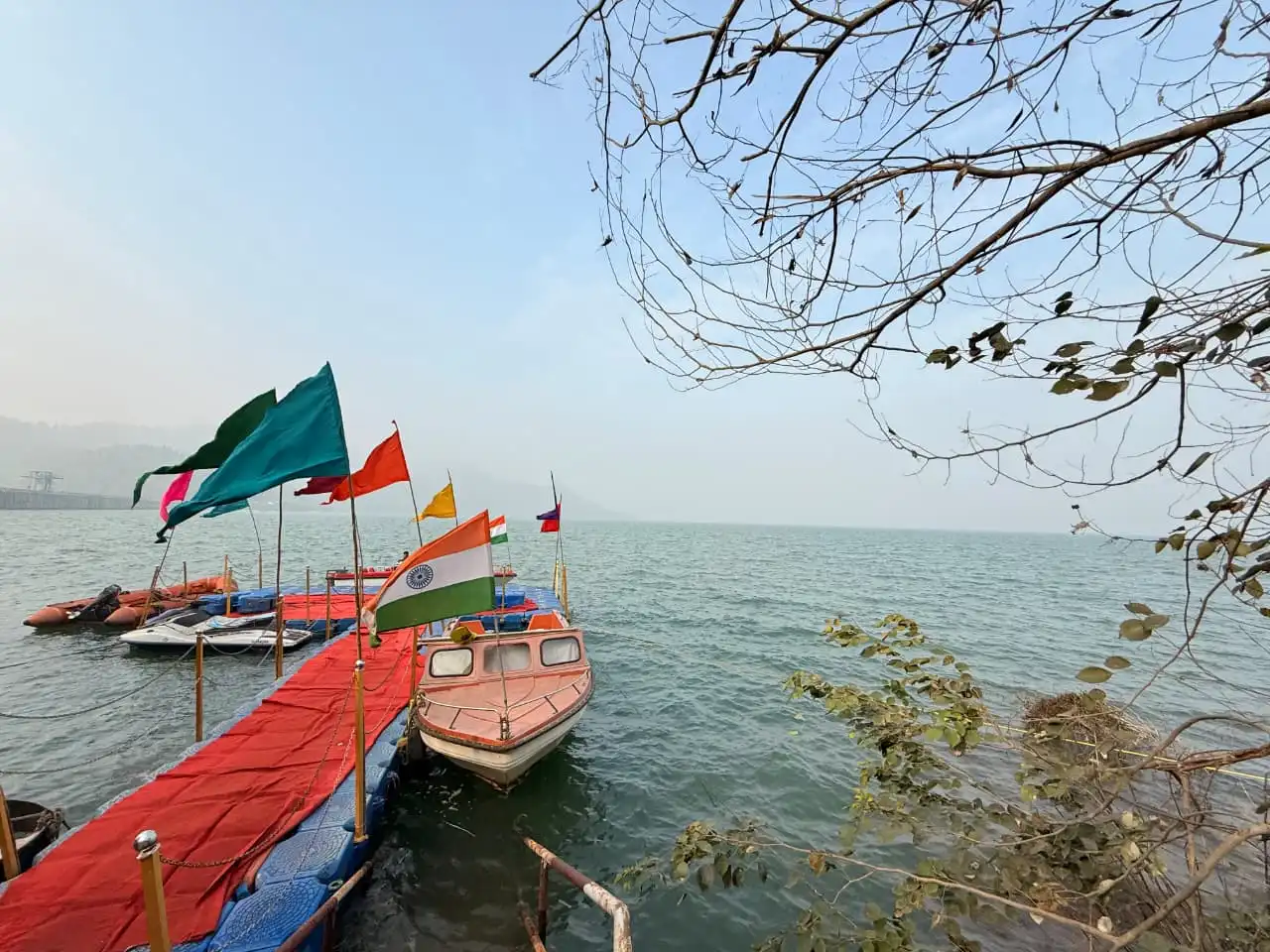
So, This fall under Dumka region. If you are planning for Dumka then you may check out this guide too – Best Tourist Places In Dumka.
20. Tagore Hill, Ranchi
Rabindranath Tagore used to write here. The hill in Morabadi area of Ranchi, where his brother owned a property, is now a protected memorial site. It’s a short climb, offers a good view of Ranchi city, and carries a quiet literary significance that makes it worth a visit.
Jharkhand Tourist Places Near Deoghar — A Focused Mini-Guide
If you’re planning a Deoghar-centric trip, here are places within 50–80 km that are absolutely worth adding:
- Trikut Hill — Ropeway + panoramic views, 10 km from Deoghar
- Basukinath Temple — Another important Shiva temple, ~45 km away
- Satsang Ashram — A major spiritual centre, right in Deoghar town
- Nandan Pahar — For families with kids, a decent amusement and picnic spot
Best time to visit Deoghar: October to February for comfortable sightseeing. Avoid Shravan if you dislike crowds — though if you want the full pilgrimage experience, Shravan is the only time to go.
Ranchi Tourist Places — The Capital Worth Exploring
Ranchi is way more interesting than its reputation suggests. Most people pass through it on the way elsewhere. Spend two days here properly and you’ll change your mind.
Top spots in and around Ranchi:
- Hundru Falls, Dassam Falls, Jonha Falls — All within 40 km
- Rock Garden — A quirky garden built with industrial waste; strangely charming
- Jagannath Temple — Modelled after the Puri temple; beautiful on Rath Yatra
- Birsa Zoological Park — One of the better-maintained zoos in eastern India
- Nakshatra Van — Quiet botanical garden, good for a morning walk
Quick Ranchi Weekend Itinerary (2 Days):
- Day 1 Morning: Jagannath Temple → Rock Garden → Tagore Hill
- Day 1 Evening: Dassam Falls (1.5 hr drive) — sunset there is worth it
- Day 2: Hundru Falls → Jonha Falls → drive back via Panchghagh
Netarhat — Why Every Jharkhand Traveller Must Go Once
Netarhat is Jharkhand’s Ooty — except it’s far less crowded, far less commercialised, and honestly far more raw in its beauty. The pine forests, the view from Magnolia Point at sunrise, the crisp cold air — it works on you slowly.
What Nobody Tells You About Netarhat
The sunrise at Magnolia Point requires you to be there by 5:30 AM. That means either staying overnight at Netarhat (highly recommended) or a painfully early departure from Ranchi. The JTDC Tourist Complex there is basic but decent.
The forest roads around Netarhat — especially the stretch towards Betla — are genuinely among the most beautiful drives in eastern India. Slow down, roll the windows down, and just drive.
Honest Cons of Visiting Netarhat
- Mobile network is very patchy. Airtel works in spots; BSNL is more reliable here.
- Accommodation options are limited. Book in advance, especially for weekends.
- Road condition deteriorates sharply after heavy rain. A SUV is strongly recommended.
- The town itself is tiny — don’t expect restaurants or shopping.
Practical Travel Tips From a Local Who Actually Roams
Best Time to Visit Jharkhand
| Season | Months | Experience |
|---|---|---|
| Post-Monsoon ⭐ | Oct–Nov | Lush green, waterfalls at peak, cool weather |
| Winter ⭐⭐ | Dec–Feb | Best overall — clear skies, comfortable temperatures |
| Summer | Mar–May | Hot, but Netarhat stays pleasant |
| Monsoon | Jun–Sep | Waterfalls are dramatic but roads can be rough |
- My personal pick: December–January. The state looks its absolute best and the weather is ideal for road trips.
How to Get Around
- Car/Bike: Hands down the best option. Renting a car from Ranchi gives you maximum flexibility.
- State buses: They exist and are cheap, but routes to offbeat spots are infrequent.
- Trains: Good for reaching major towns (Ranchi, Jamshedpur, Dhanbad, Deoghar) but useless for the last mile.
Honest reality: Jharkhand’s road connectivity has improved significantly over the last 5 years, but some rural stretches are still rough. Budget extra time on any road trip.
Foods You Must Try in Jharkhand
This is not negotiable. You cannot visit Jharkhand and eat at a generic restaurant. Here’s what to look for:
- Litti-Chokha — The soul food of Jharkhand. Every town has its own variation.
- Rugra — Tribal mushroom curry, earthy and unforgettable
- Handia — Traditional rice beer, a cultural experience more than a drink
- Malpua — Sweet, fried pancakes popular near temple towns like Deoghar
- Chilka Roti — Rice crepes, often eaten with mustard-forward curries
When I was in Deoghar, I made a point to eat at the local stalls near the temple rather than any hotel restaurant — that decision was 100% correct. The food was cheaper, fresher, and infinitely more memorable.
Final Thoughts — Jharkhand Deserves to Be on Every Indian’s Bucket List
Jharkhand isn’t a “hidden gem” in the influencer-bait sense of the word. It’s a real, lived-in, layered state with tribal heritage, religious significance, industrial history, and some of the most underrated natural scenery in India.
The 20 places I’ve listed here are not theoretical. These are places I’ve personally visited, revisited, argued about with fellow travellers, and recommended to friends and family. Some are famous, some are barely known — but every single one is worth your time.
Whether you start with Deoghar and its sacred energy, lose yourself in the forests of Netarhat, or spend a slow afternoon watching the mist settle over Topchanchi Lake — Jharkhand will not disappoint you.
It just asks you to show up with an open mind and a willingness to get off the highway.
Did this guide help you plan your Jharkhand trip? Share this article with a friend who needs to visit Jharkhand this year — and drop your questions or your own experiences in the comments below. I read every single one, and I reply too. Let’s build a real travel community around this incredible state.

Hi, I’m छाया कुमारी — your blogger girl from Hiranpur itself! 🌸
I love exploring local places, finding useful info, and sharing simple guides that help our community and visitors. From hidden spots to daily-life tips, I write about Hiranpur the way a local lives it — real, helpful, and from the heart.
If it’s about Hiranpur & its nearby area’s, chances are I’ve seen it, tried it, or asked someone who knows it best 😉